








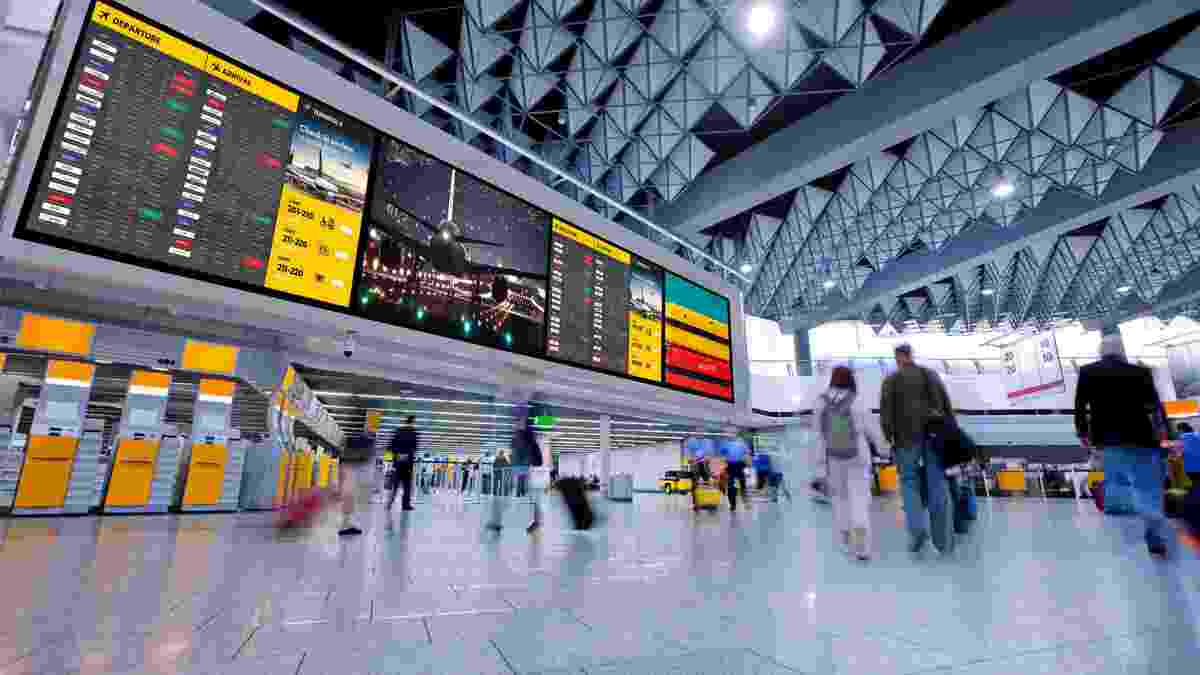
Airports and urban display networks are rapidly becoming some of the most valuable advertising spaces in the world, and the shift is happening faster than many expected. What was once considered a traditional billboard business is now transforming into a high-tech, data-driven ecosystem where every screen can deliver targeted, real-time messaging to millions of people.
The surge in value comes from a simple but powerful factor: attention. Airports offer what marketers call a “captive audience.” Travelers often spend hours waiting at terminals, making them far more receptive to brand messaging compared to users scrolling quickly through mobile feeds. Studies show that a large percentage of passengers not only notice airport ads but also take action after seeing them, turning these spaces into high-conversion environments for advertisers.
But it’s not just about visibility anymore. The real transformation lies in technology. Modern airport advertising is powered by digital screens, programmatic buying systems, and real-time data signals. Campaigns can now adapt based on factors like time of day, weather conditions, flight schedules, and even passenger demographics. This level of personalization was once limited to online advertising, but it is now being integrated into physical spaces.
Airports are also evolving into what industry experts describe as “intelligent hubs.” Beyond transportation, they are becoming interconnected ecosystems powered by AI, automation, and digital infrastructure. This transformation allows advertisers to integrate their campaigns more deeply into the passenger journey, from check-in screens to boarding gates and even retail zones inside terminals.
Another major reason for the growing value of airport and urban display networks is the quality of the audience. Travelers, especially frequent flyers, tend to represent higher-income demographics and global consumers. This makes airport advertising particularly attractive for luxury brands, technology companies, and international businesses looking to reach a premium audience.
At the same time, the global travel rebound has accelerated this trend. As passenger volumes return to and even exceed pre-pandemic levels, demand for advertising space in airports has surged. This has led to rising rates and increased competition for premium digital placements. The airport media market itself is projected to grow significantly in the coming years, driven by digital adoption and higher engagement levels.
Urban display networks are following a similar trajectory. From roadside digital billboards to screens in metro stations and city centers, these networks are becoming part of a larger “smart city” ecosystem. Advertisers can now run synchronized campaigns across multiple locations, delivering consistent messaging to audiences as they move through different environments. This creates a seamless brand experience that bridges physical and digital worlds.
Programmatic digital out-of-home advertising is also playing a crucial role. Automated ad buying allows brands to purchase inventory in real time, optimize campaigns instantly, and measure performance with far greater accuracy. This shift is attracting more investment into the sector, as advertisers look for alternatives to overcrowded online platforms.
What makes these networks even more powerful is their ability to combine scale with context. Unlike social media ads that compete for attention in a cluttered feed, airport and urban displays exist in the real world, often in moments when people are more attentive and less distracted. This creates a stronger emotional and visual impact, which can significantly improve brand recall.
The growing importance of these networks is one of the key reasons why major investors are entering the space. Deals like the recent acquisition of large outdoor advertising companies highlight how valuable these assets have become in a data-driven economy. Investors are no longer just buying billboards; they are investing in future-ready media platforms that combine physical presence with digital intelligence.
As technology continues to evolve, the line between online and offline advertising is disappearing. Airports and urban display networks are at the center of this convergence, turning everyday spaces into powerful media channels. For brands, this means new opportunities to connect with audiences in meaningful ways. For the industry, it signals a future where the streets, terminals, and cities themselves become part of the global advertising network.


